
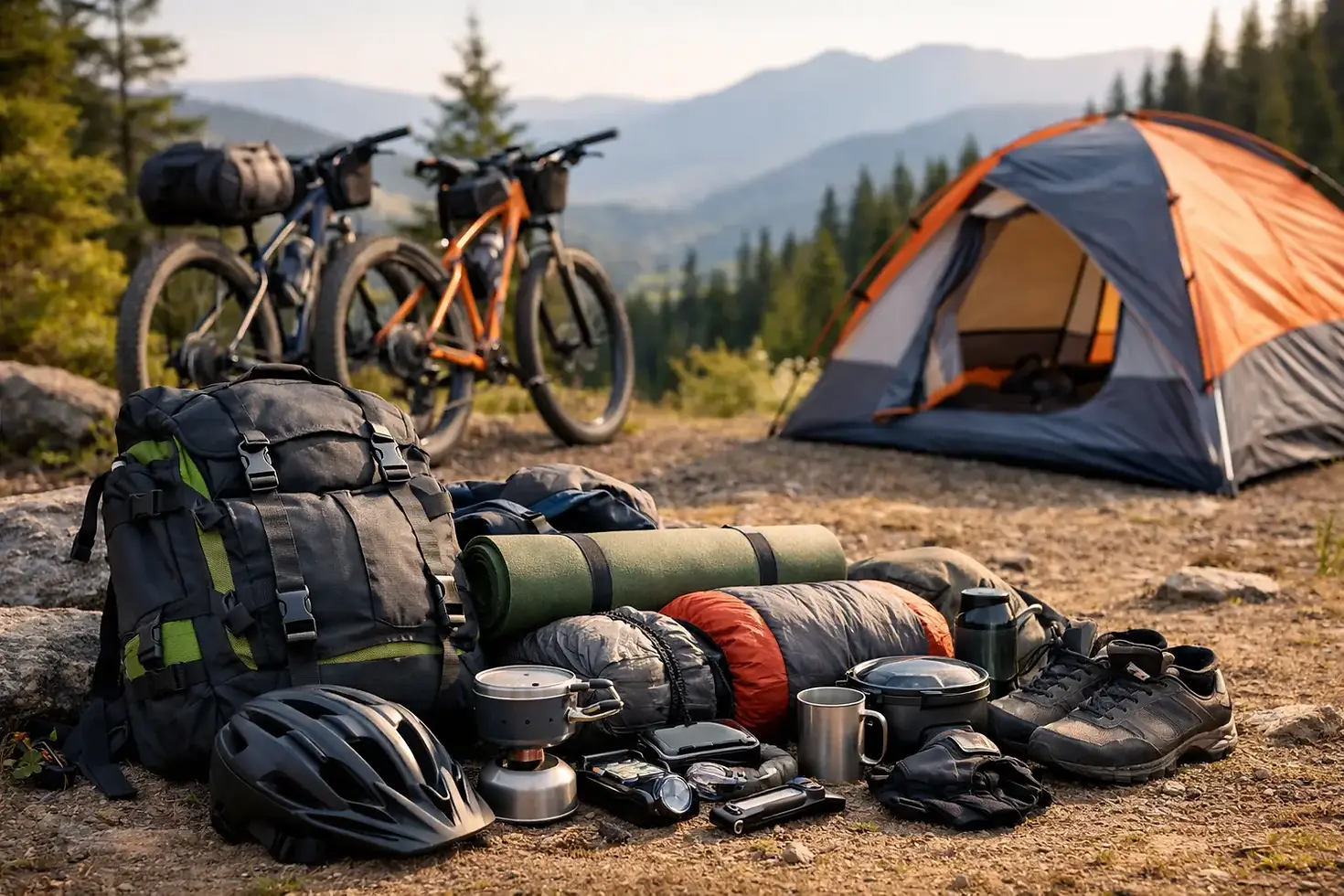
How to Pack for Mountain Bike Camping

Rolling into camp with a bike, a duffel, and a vague plan sounds good right up until you realize your gloves are soaked, your chain is dry, and dinner is a crushed granola bar. If you want to pack for mountain bike camping without hauling a truckload of junk, the goal is simple - bring what keeps you riding strong, sleeping well, and waking up ready for another lap.
Mountain bike camping is not backpacking, and it is not car camping in the lazy cooler-and-chair sense either. Riders need a setup that supports long trail days, changing weather, dirty gear, and the very real difference between what feels necessary at home and what actually matters at camp. Pack too light and your weekend gets uncomfortable fast. Pack too heavy and you spend half the trip digging through bins for a clean pair of socks.
How to pack for mountain bike camping without overdoing it
The smartest way to build your kit is to think in systems, not single items. You need a ride system, a sleep system, a camp system, and a food system. When each one is covered, the trip feels dialed. When one is weak, everything gets harder.
Your ride system starts with the bike and everything required to keep it rolling. That means your helmet, shoes, gloves, eyewear, pads if you wear them, hydration pack or bottles, and the tools and spares you would never hit the trail without. A lot of riders remember the fun gear and forget the small stuff that saves the day. Pack a tube even if you run tubeless. Bring a pump even if you carry CO2. Toss in a quick link, tire plugs, a multitool, chain lube, and a derailleur hanger if your bike uses a replaceable one. Those parts take up almost no room and can rescue a whole weekend.
Your sleep system matters more than riders like to admit. If you sleep cold, stiff, or wet, the next morning's ride pays for it. A tent, sleeping bag rated for the actual overnight lows, pillow, and sleeping pad are the basics. If you're camping in the Ozarks or anywhere with humid nights and shifting temps, pack an extra layer just for camp. Riding clothes that feel great on trail rarely feel good once the sun drops.
Your camp system should make downtime easy instead of chaotic. A headlamp, camp chair, towel, toiletries, phone charger, power bank, and a simple way to organize dirty versus clean gear make a huge difference. You do not need to recreate your garage at a campsite, but you do need enough structure to avoid losing track of tools, socks, and snacks in the dark.
Food is where many riders either overpack or underfuel. You do not need gourmet camp cuisine for a weekend, but you do need enough calories to support hard riding. Think simple breakfast, easy trail snacks, recovery food, and one solid dinner. If cooking feels like a chore after riding, keep it basic. That is not quitting. That is knowing yourself.
The gear that earns its place
If you are packing for one or two nights, every item should do one of three jobs. It should help you ride better, recover better, or camp more comfortably. Anything outside those lanes needs to justify itself.
Start with clothing. Bring one ride kit per day if you can, especially if conditions will be hot, humid, or muddy. A dry jersey and fresh liner or shorts can reset your whole mood. Pack extra socks even if you think you will not need them. You will. Add a warm layer, a lightweight rain shell, camp clothes, underwear, and something comfortable to sleep in. If the forecast looks perfect, still pack for one temperature swing and one weather surprise.
Shoes deserve a little thought. If you ride in flat or clipless shoes all day, bring camp footwear that lets your feet breathe. Slides, sandals, or lightweight sneakers are enough. The point is to get out of your riding shoes and let your feet recover.
Hydration is another place where smart riders stay ahead. Bring more water capacity than you think you need, especially if your camping setup is primitive or refill access is limited. Electrolyte mix is worth the space. A hard day on the bike plus heat can flatten you faster than a missed meal.
Then there is bike care. After a dusty or wet day, a quick wipe-down and a little chain lube can keep the next ride quiet and smooth. You do not need a full shop stand and every tool you own. You do need enough to handle flats, loose bolts, drivetrain issues, and minor adjustments. The sweet spot is compact and capable.
What to pack for mountain bike camping by trip type
Not every trip needs the same loadout. A lift-served park weekend, a pedal-heavy backcountry ride, and a family camp trip all ask for different gear.
For a bike park weekend, pack for repeated laps, changing layers, and quicker turnarounds between rides. You will want easy access to pads, gloves, extra water, snacks, and a repair kit. Comfort at camp matters because the riding is the main event. A chair, recovery food, and dry clothes earn their keep fast.
For trail riding with longer mileage and bigger effort, weight matters a little more and recovery becomes even more important. Prioritize nutrition, hydration, and spare ride clothes. Your body will feel the difference between winging it and showing up ready.
For a family or group trip, organization matters as much as gear choice. Use separate bins or bags for ride gear, camp gear, and food. That keeps one person's brake pads from ending up next to another person's pancake mix. It also makes mornings smoother, which is a big win when everyone is trying to roll out at once.
If you are new to overnight riding trips, start with a short weekend instead of a big four-day haul. You will learn what you actually use, what stays untouched, and what you wish you had. That first trip is less about perfection and more about building your system.
Common packing mistakes riders make
The biggest mistake is treating the ride as the whole trip. The ride is the reason you came, but camp is what supports it. Forget basic recovery and comfort, and performance drops fast. A bad night's sleep, not enough food, or wet clothes can turn a solid trip into survival mode.
Another common mistake is packing random extras instead of backup essentials. Three hoodies and no spare tube is not a strategy. Neither is bringing a giant toolbox but forgetting chain lube or charging cords. Pack for the problems most likely to happen, not the fantasy scenario where you become camp mechanic for the entire crew.
Weather gets underestimated all the time. Mountain bike camping means sweat, dirt, and exposure. Even mild forecasts can shift overnight. Humidity, wind, and rain make camp feel colder than riders expect. One warm layer and one dry set of clothes can save the trip.
Then there is food. Riders are famous for saying they will just figure it out. That works until the post-ride hunger hits and the nearest meal is not close. Keep real food at camp. Recovery starts as soon as the ride ends.
Build a setup you can repeat
The best packing system is not the biggest one. It is the one you can load quickly, find things in fast, and trust every time you head out. Keep a dedicated bike-camping bin if you go often. Leave your repair kit, stove, headlamp, camp towel, and other repeat-use items in it. That cuts the pre-trip scramble and makes spontaneous weekends much easier.
It also helps to pack in layers of priority. Your ride bag should be ready first. Then your sleep kit. Then food and camp extras. If time gets tight, the essentials are still covered. That is a much better move than tossing random gear into the car and hoping it all works out at camp.
At places built around riding, a little preparation goes a long way. You want your weekend focused on trail time, not on borrowing tools, hunting for dry socks, or realizing your dinner plan was wishful thinking. If you're heading somewhere like Howler Bike Park for a full ride-and-stay weekend, smart packing lets you spend more time on the trails and less time sorting out camp chaos.
Pack light enough to stay mobile, smart enough to handle the usual problems, and comfortably enough that you are fired up to ride again in the morning. That is the sweet spot.


.png)